
Creating Magical images
Practical magic

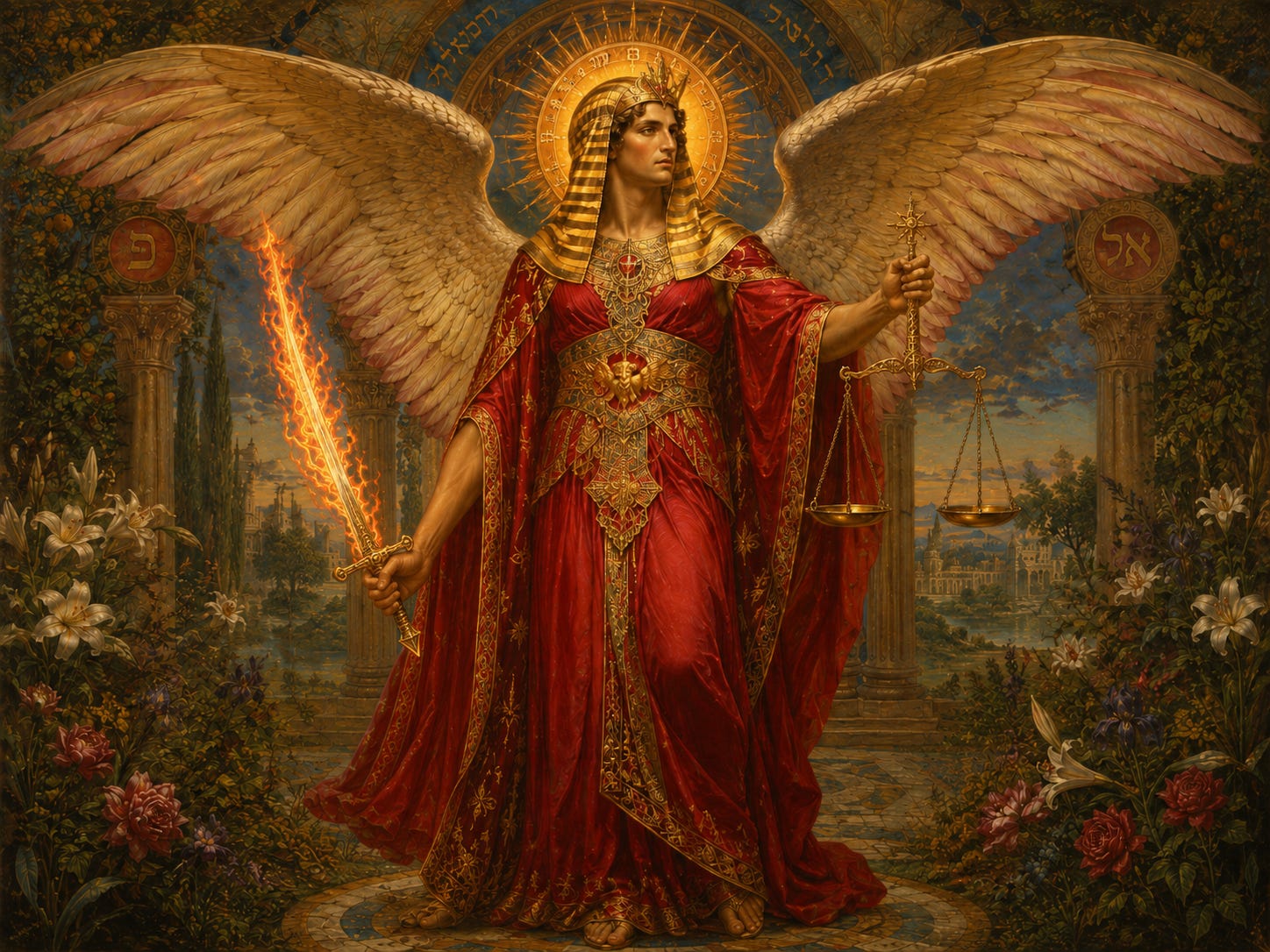
For thousands of years, magical images were one of magic’s basic technologies. During the nineteenth-century magical revival, they began to slip from use, even as occultists busied themselves reviving almost everything else they could find. Before then, magical books from the Picatrix to Agrippa described magical images through their symbols and attributions, expecting the adept to build the image from the instructions.
A magical image gave a force a body. The magician made it so that a power could be approached and worked through. The image gathered the right signs into a form the mind could hold and the spirit could answer. Once consecrated, it became a point of contact between the visible and invisible worlds. That made it useful in practice, because the magician could see the force more clearly, address it more directly, and shape it with greater precision.
Ancient texts rarely drew them, and when they did, they were copied slavishly by the pedants of their era. The adept had to draw the image from the symbolic description, which meant understanding what the symbols were doing instead of tracing someone else’s diagram and hoping the universe was feeling generous.
For example, the Sacred Book of Hermes gave a magical image for the second decan of Leo. It was a man wearing a loincloth. He held a sceptre in his right hand and a whip in his left. He had a lunar crescent crown on his head.
Agrippa gave another magical image of Leo ascending with the Sun. “It was a king crowned, sitting in a chair. He had a Raven in his bosom and a Globe under his feet. He wore Saffron-coloured clothes.”
